What a smart meter actually does
A smart meter measures your gas and electricity usage at 30-minute intervals and transmits that data wirelessly to your energy supplier via the DCC's national network. The supplier receives your consumption data automatically, which means they can issue accurate bills rather than estimated ones. It also means you don't need to submit manual meter readings, and your energy supplier can see your usage in near-real time.
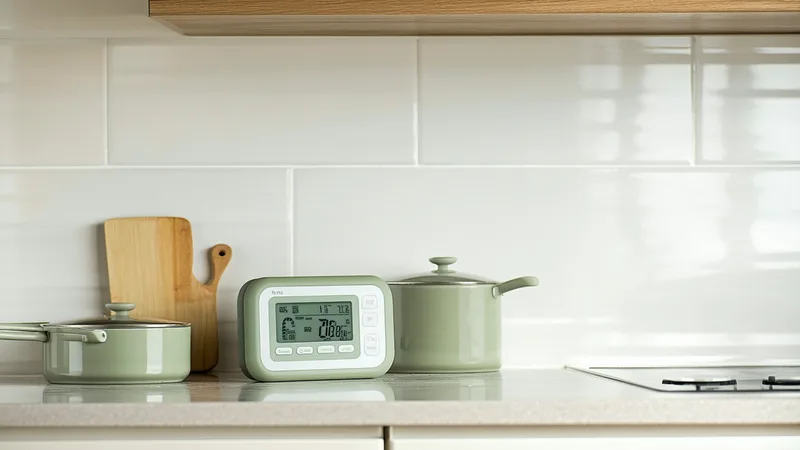
In your home, the smart meter connects to an In-Home Display (IHD) — a small screen, usually placed in the kitchen, that shows your current usage in pounds and pence, your daily and weekly totals, and a rough indicator of whether your current usage is high, medium, or low. The IHD is a display device only; it doesn't control anything and doesn't contain sensitive account information.
There are two generations of UK smart meters: SMETS1 (first generation) and SMETS2. SMETS1 meters, installed before roughly 2019, had a known problem: if you switched energy supplier, the meter often stopped communicating with the new supplier's system and reverted to manual read mode. SMETS2 meters are enrolled in the DCC network from installation and work across all suppliers. If your property has an older SMETS1 meter, you can ask your supplier to upgrade it — this is done remotely for SMETS1 meters that have already been enrolled in the DCC network.
Your rights as a renter
As the energy account holder, you have the right to request a smart meter installation from your energy supplier. This doesn't require your landlord's permission in most cases. The meter belongs to the energy network, not to the landlord — it's the supplier's equipment installed in the property, and the decision to install or upgrade it is between you and the supplier.
Where landlord consent can become relevant is if the installation requires physical work that affects the property — routing cables through walls, for instance, or relocating the meter box. Standard smart meter installations don't require this; a trained installer replaces the existing gas or electricity meter in place, typically in under an hour. If your supplier's installer identifies that the meter location requires any alteration to the property's structure, they'll flag this before proceeding and may require a landlord consent form. In practice, this is uncommon for standard residential installations.
Your landlord cannot prevent you from having a smart meter installed if you're the bill payer, assuming the installation is standard. However, if utilities are included in your rent — meaning the landlord holds the energy accounts — then the landlord is the customer and the smart meter decision is theirs.
What your energy supplier can see
This is the question that makes many people hesitate. Smart meters transmit 30-minute consumption data to your energy supplier. By default, this is collected at the 30-minute granularity for billing purposes. You can request a change to daily collection instead if you prefer less granular data sharing — your supplier must offer you this option under OFGEM requirements.
The data your supplier receives shows energy usage patterns, not what appliances you're using or what you're doing. A supplier can see that your household used 0.8 kWh between 6am and 6:30am, but not that you were making toast. That said, academic research has demonstrated that high-frequency energy data can, in theory, reveal some behavioural patterns. We're not saying this is a significant privacy risk in the context of current supplier data practices — OFGEM's rules require suppliers to treat smart meter data as personal data under UK GDPR, and suppliers cannot share it with third parties without your consent. But it is worth understanding what the data stream contains.
What you actually gain from having one
The most immediate practical benefit for renters is the end of estimated bills. Before smart meters, suppliers issued estimated readings based on historical usage patterns, reconciling with an actual reading once a year or when you submitted one manually. This regularly produced situations where you were paying too little for months, then faced a large correction bill. Smart meters eliminate estimated readings entirely.
The IHD's cost display also helps with day-to-day usage awareness. A renter in a flat in central Manchester who turned on her old electric storage heaters and watched the IHD show £0.48 per hour found it a useful prompt to investigate whether a different heating schedule would reduce her bills. This kind of feedback loop is genuinely useful for energy management, particularly in winter months when heating accounts for 60–70% of most UK domestic energy bills.
Smart meters also make moving out cleaner. Your final meter reading is automatically transmitted on the day you close your account, removing the most common cause of move-out billing disputes: a supplier claiming your manual closing reading was inaccurate.
When smart meters don't work as expected
There are real limitations worth knowing. Not all properties get good signal from the DCC network. Rural properties, basement flats, and some properties in dense urban areas with thick walls can have signal issues that cause the meter to fall back to manual read mode. If this happens, you're not worse off than before smart meters — you just lose the automatic reading benefit. Your supplier should notify you if this is happening.
If you inherit a property with a smart meter and the previous occupant's account is still active on it, there can be a short delay (typically a few days) before the meter is re-enrolled against your new account. During this gap, readings may not transfer to your account. Taking a photo of the meter display on your move-in day is good practice regardless of smart meter status — it gives you an independent record if any discrepancy arises.
How Arrival uses smart meter data
When you set up with Arrival, your smart meter data feeds directly into your Arrival dashboard via the DCC's smart metering data network. This gives you your daily electricity and gas usage in one place — alongside your broadband, water, and council tax information — without needing to log into your energy supplier's separate portal. Alerts notify you when usage in any category is tracking more than 15% above the previous month, which catches unexpected changes before they appear as a bill increase.
Smart meters aren't mandatory — you can choose to manage your energy account without one. But for renters using Arrival, having a smart meter installed means your consolidated bill reflects actual usage rather than estimates, which makes the monthly total more predictable and easier to budget against.